Website Strategy
The $99 Website and the $9,000 Website Aren't the Same Product
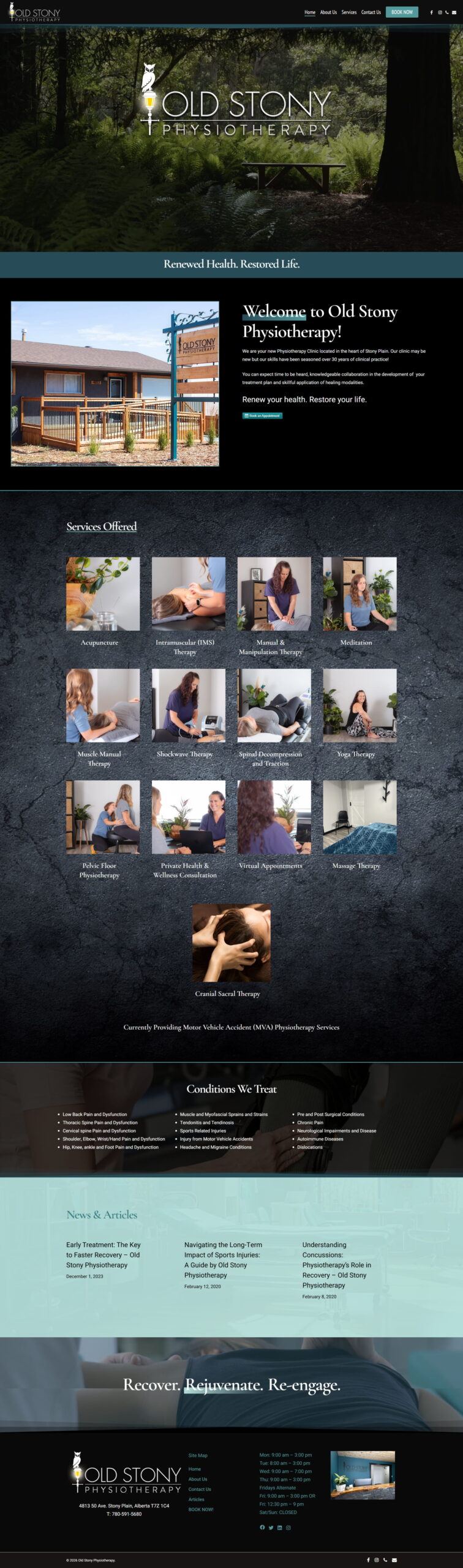
If you've shopped for a website lately, you've seen the offers: a finished site for $99, or $10 a month with hosting and maintenance “included.” The question is fair. What exactly is the difference, and why would anyone pay many times more for something that looks roughly the same?
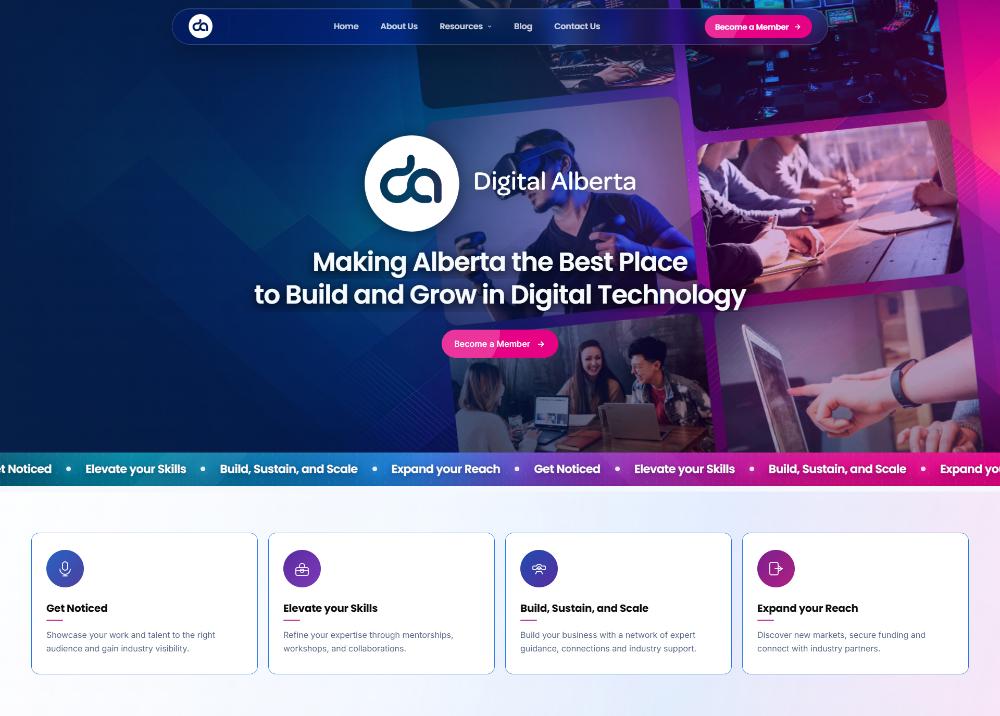
Here's the reframe that matters before you spend a dollar. You're not looking at one product at two prices. You're looking at two different things that happen to resemble each other, the way a photograph of a kitchen resembles a kitchen you can actually cook in.
We'll explain the difference plainly, because you should be able to make this call with clear eyes rather than just being told to trust us. This isn't a case against new tools. It's a case for understanding what you're actually buying when automation is in the mix, and what it can't put in the box no matter how good it gets.
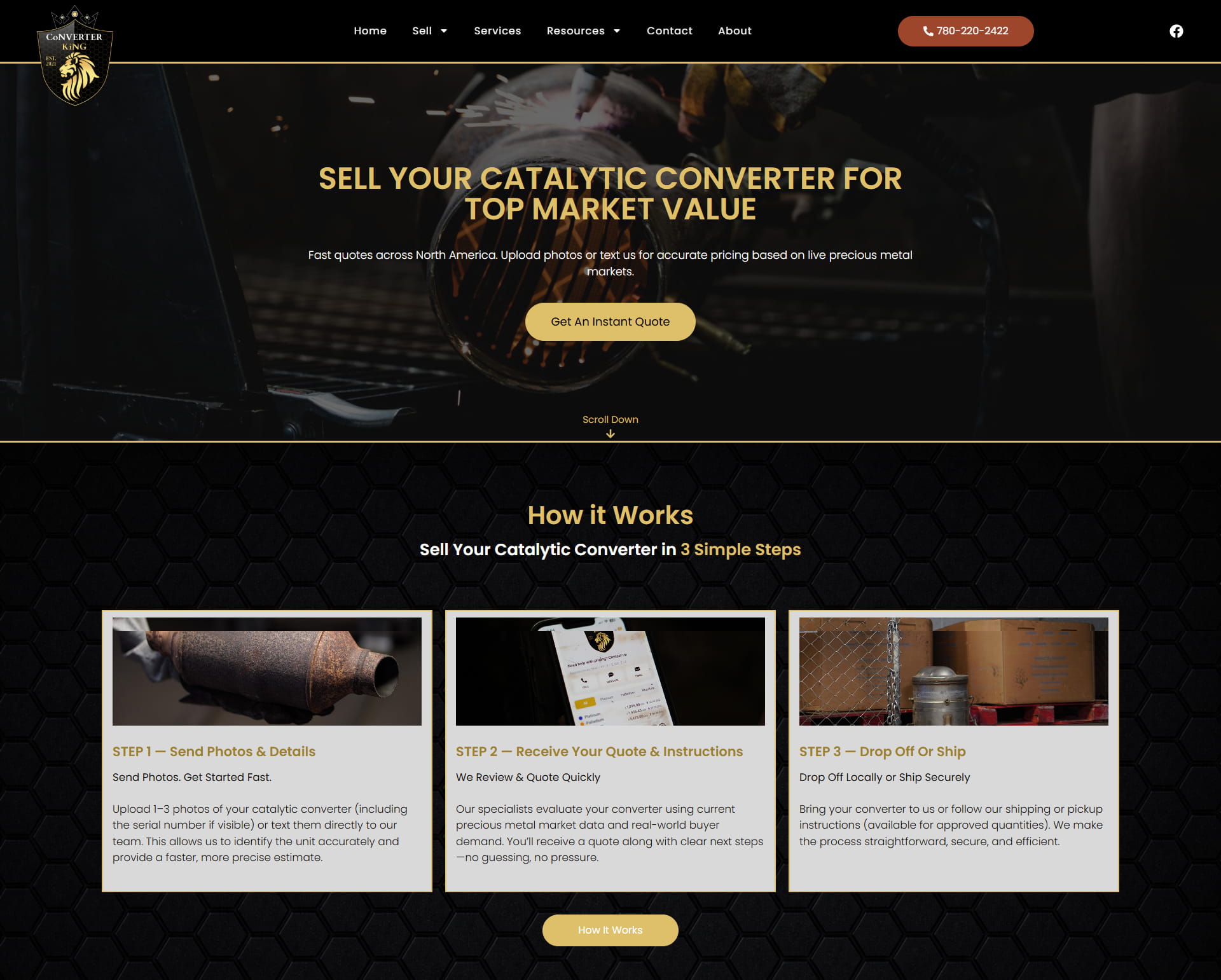
A cheap site can look finished. A serious website has to keep working after launch.
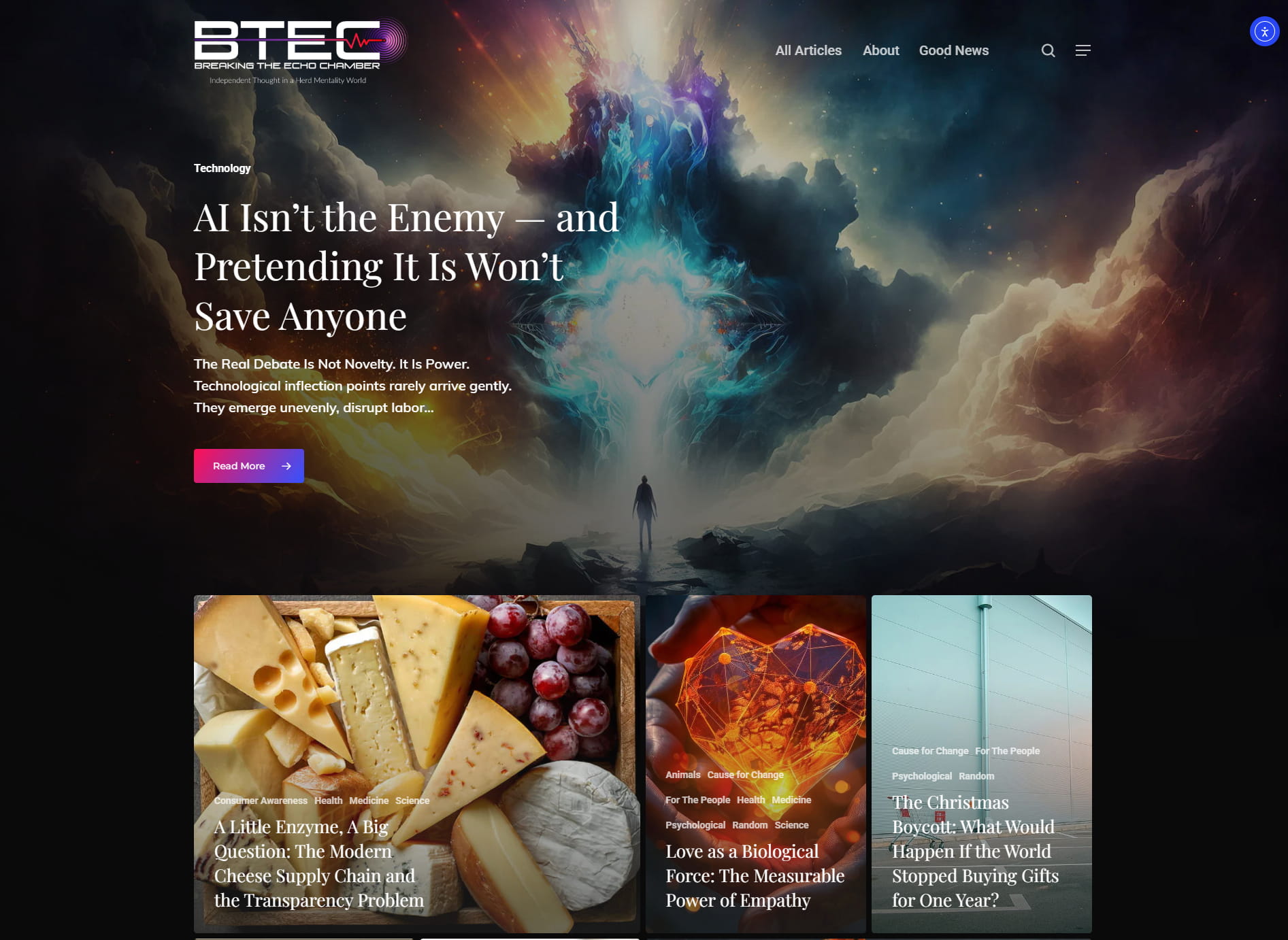
What automation actually made cheap
Automation collapsed the cost of producing something that looks like a website. That's real, it's significant, and it isn't going away. A tool can now generate pages, copy, and images in an afternoon that would have taken a freelancer a week a few years ago.
But producing the artifact was never the expensive part of a good website. The value lives somewhere else entirely: in the judgment about what the site needs to do, the strategy behind how it's built, and the ongoing care that keeps it working in the real world.
The low-cost offer is priced as if the hard part does not exist. For a $99 site, it usually doesn't.
A website is a system, not a file
The cheap site is handed to you as a finished object. Done. Yours. Good luck.
A real website isn't an object. It's a system that runs continuously, in public, on infrastructure that can fail. It needs hosting that doesn't buckle when traffic spikes. It needs security patches applied as vulnerabilities are discovered. It needs updates, backups, monitoring, and a human who notices and responds when something breaks at an inconvenient hour, because eventually something will.
Here's the part low-cost offers don't advertise: the real risk isn't that a generated page is somehow dangerous the day it ships. It's that nobody is maintaining it.
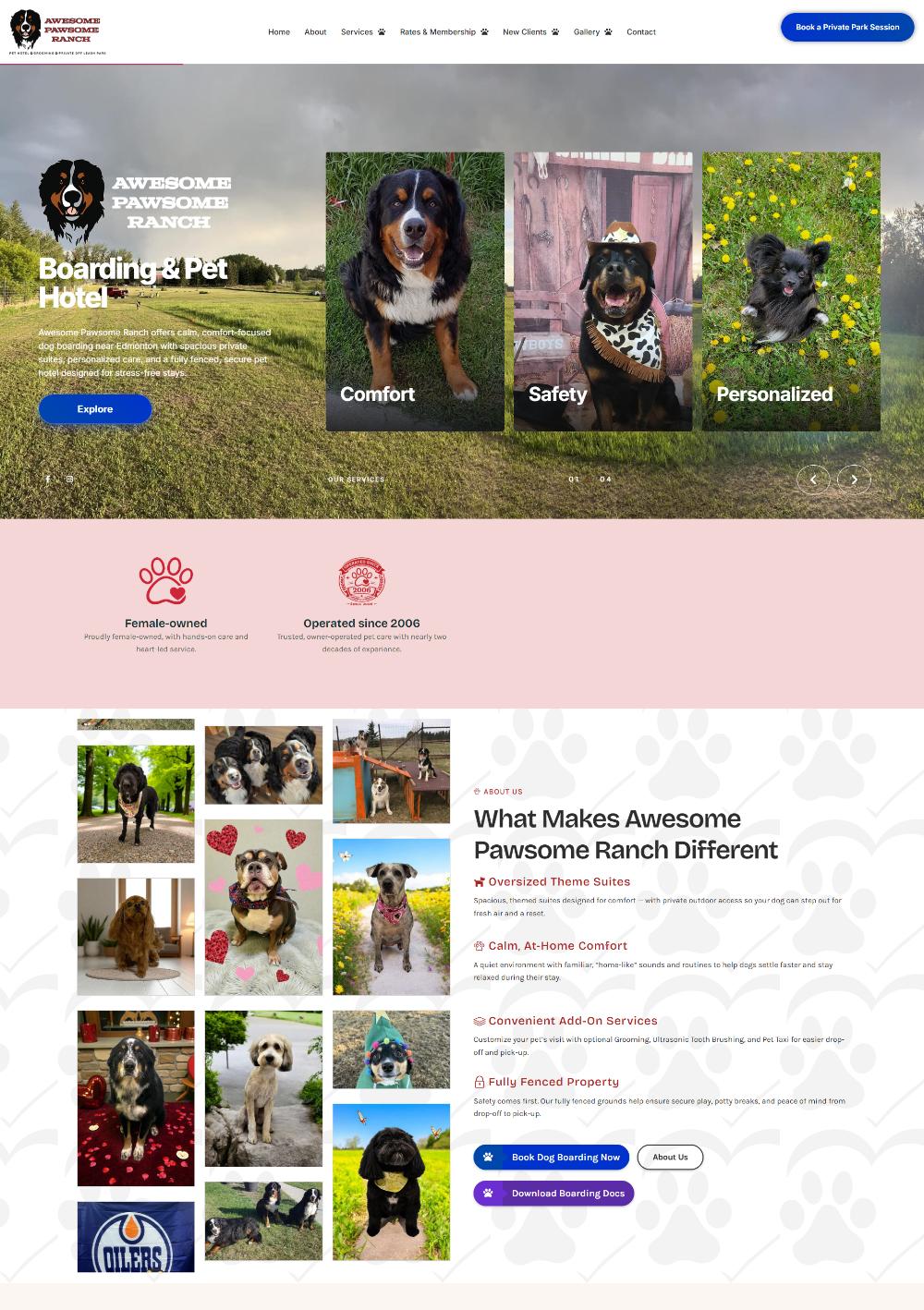
Generic in, generic out
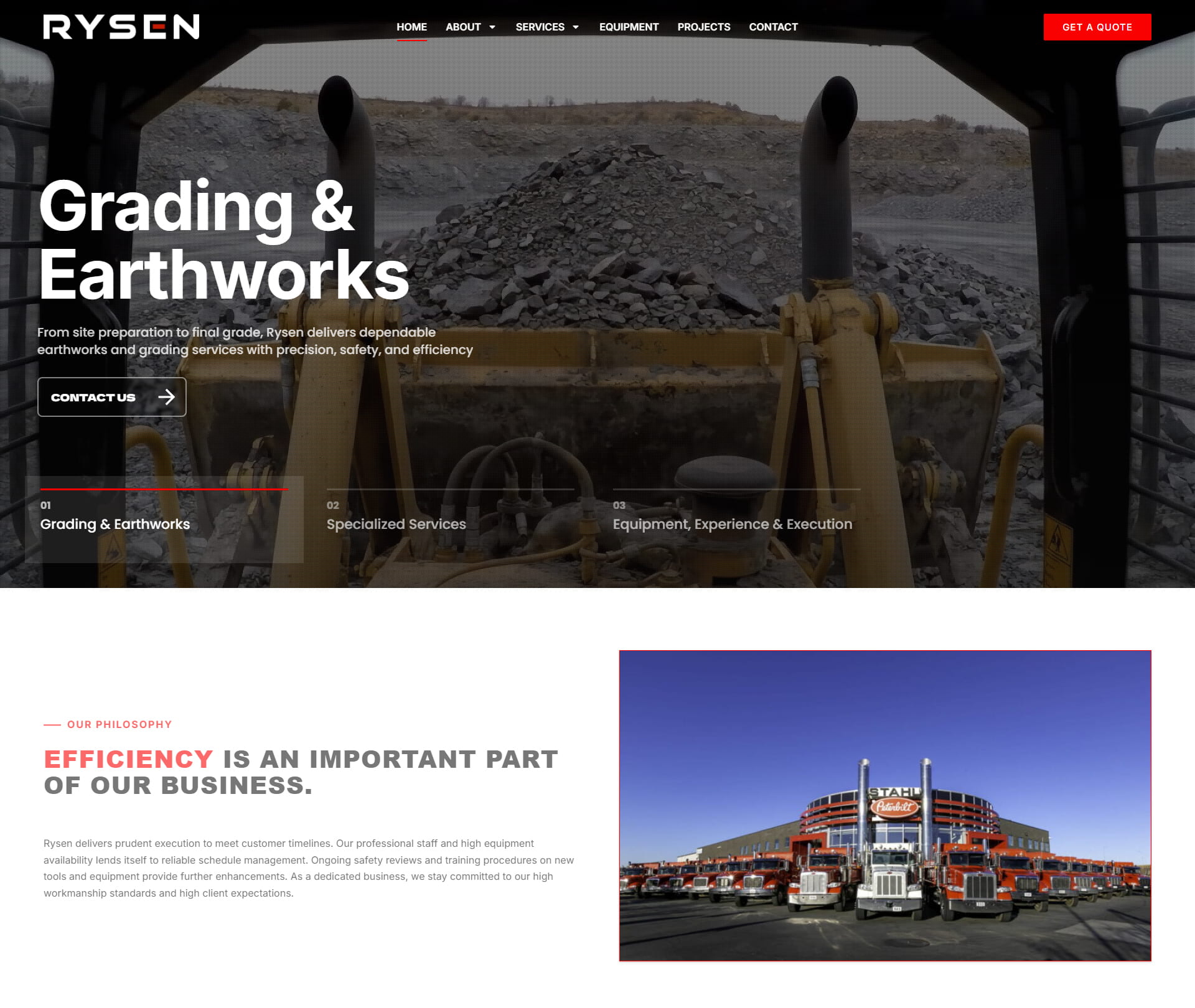
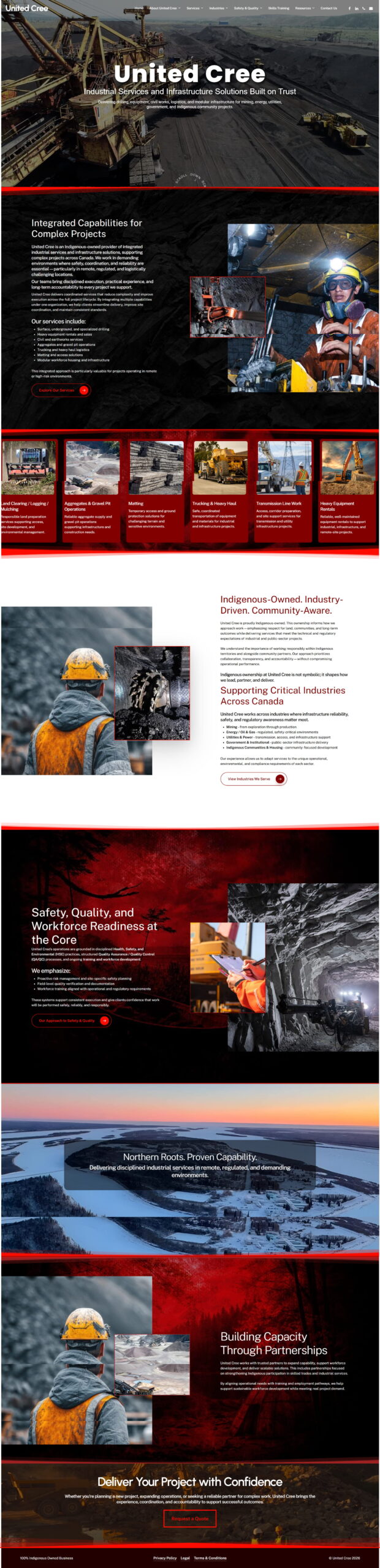
A templated site often produces the average of the web. That's a problem, because the commercial point of a website is to make your business distinguishable from your competitors.
A site that looks and reads like every other site in your category gives a prospect no reason to choose you over the next search result. “No reason to choose you” is an expensive outcome dressed up as a bargain.
This is also where the SEO conversation needs some honesty. Search engines reward helpful content. The problem with templated, mass-generated sites is simpler and harder to fix: there is nothing distinctive to rank for.
No information architecture built around how your specific customers actually search. No original content that answers the real questions they're typing in. No strategy connecting what someone enters into Google to what they find when they land on your page.
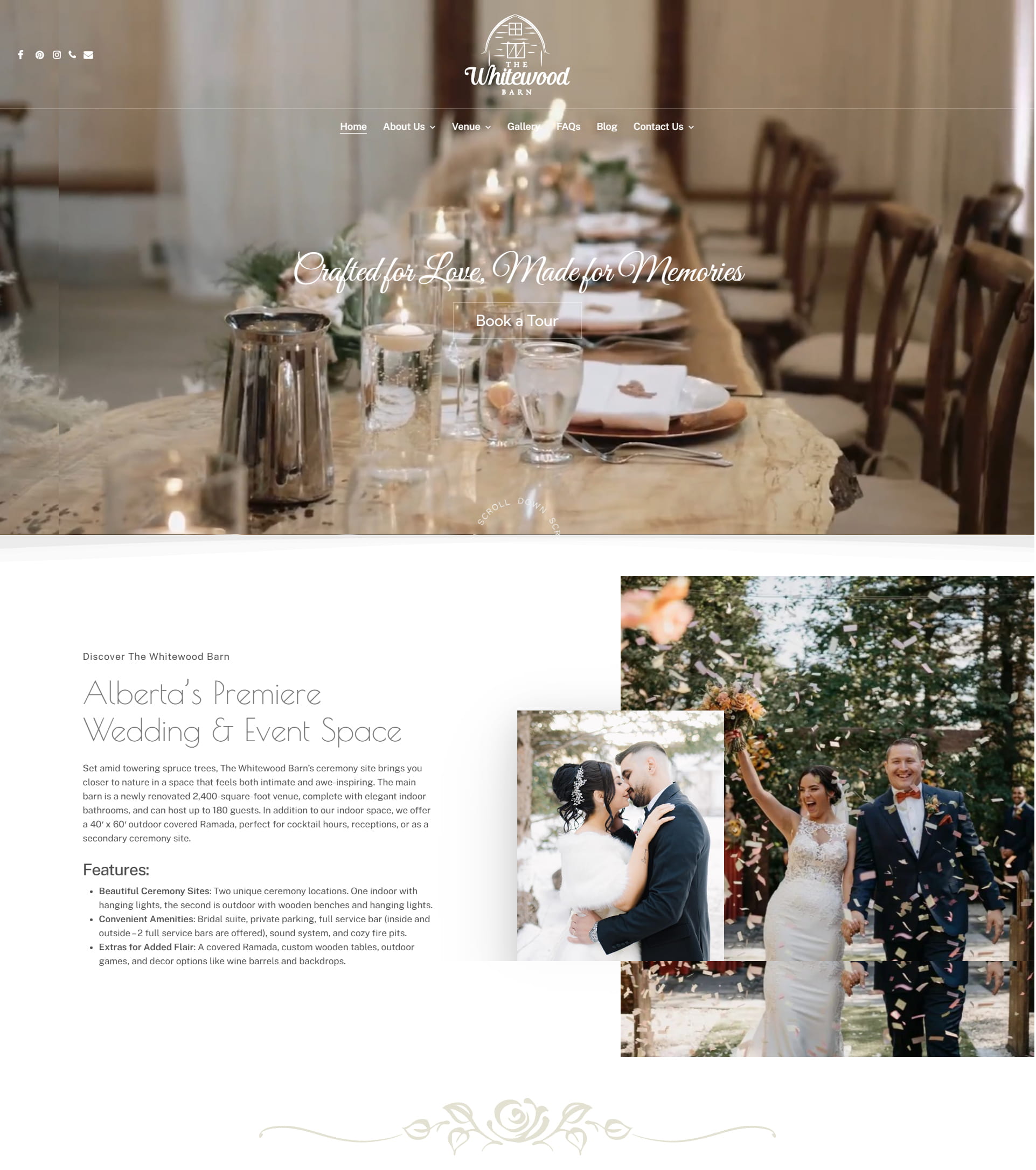
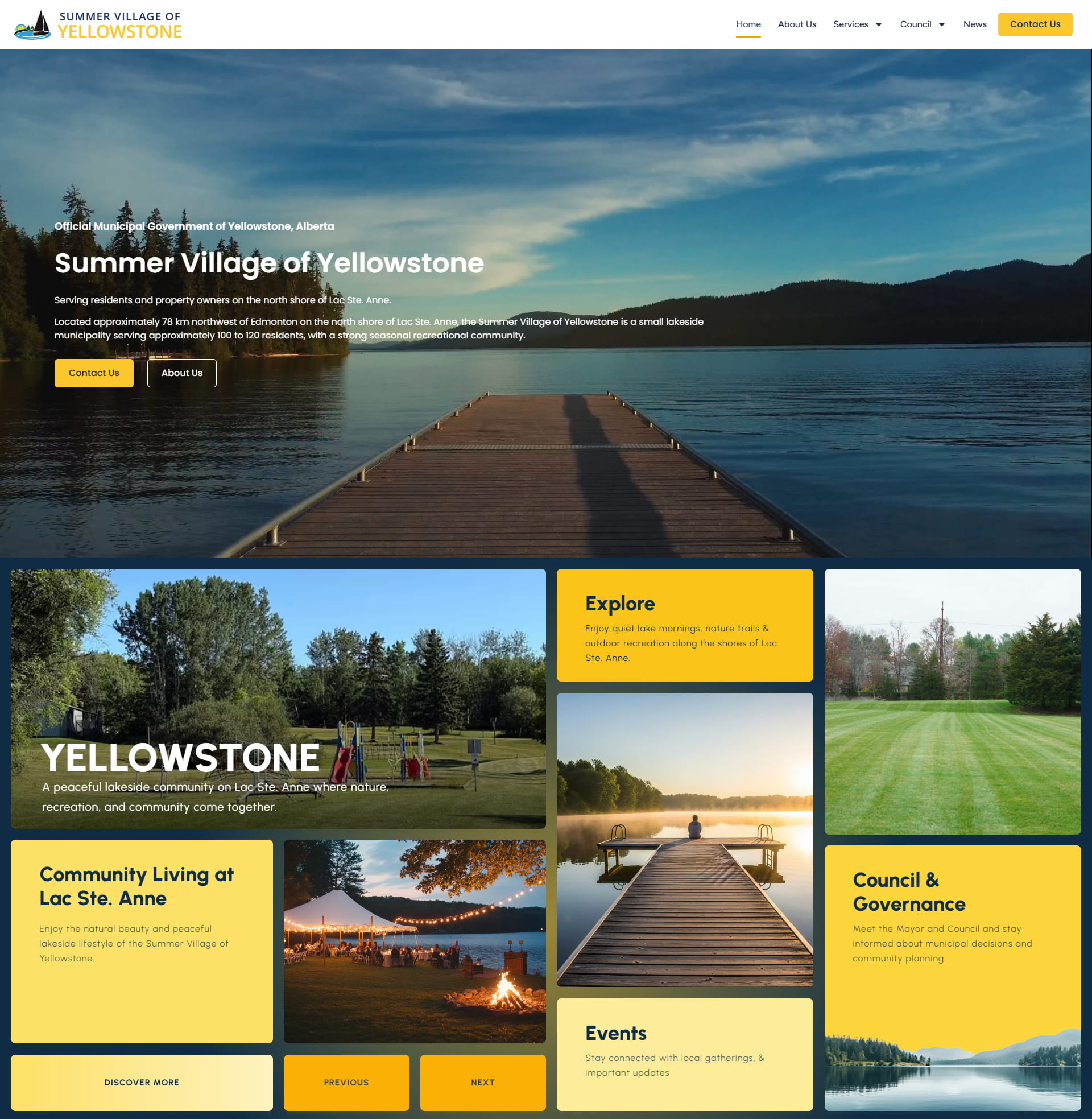
The work that happens before anyone designs anything
The most valuable part of building a good website is invisible in the finished product, because it happens before a single pixel is placed.
It's the conversation about who your customer actually is and what they need to believe before they'll buy from you. It's deciding what one action the site should drive, then ruthlessly shaping everything toward it.
It is figuring out what makes your business genuinely different and communicating it in the five seconds before a visitor decides to stay or leave.
Skip the thinking and you get a site that looks finished and performs like a brochure left in a drawer.
Accountability is part of what you're buying
When a $10-a-month site breaks, loses customer data, or the “agency” behind it quietly disappears, who do you call?
Part of what you pay for when you hire real people is recourse. A named team that is accountable for the result and reachable when you need them.
It's the difference between owning a problem alone at the worst possible moment and having someone whose actual job is to solve it. You can automate the building of a page. You cannot automate someone caring whether it works.
Sometimes the cheap site is the right call
We'll be straight with you, because we'd rather earn your trust than win an argument: sometimes the $99 site is exactly what you should buy.
If you're testing an idea before you've made a dollar, running a one-weekend pop-up, or standing up a placeholder you fully intend to replace in three months, buy the disposable site.
It would be foolish to invest in durable infrastructure for something designed to be temporary, and any agency that tries to talk you out of it is selling you something you don't need.
What you're actually deciding
The real question was never “cheap or expensive.” It's whether your website is a cost or an asset for your business right now.
If it's a throwaway, treat it like one. But if it's something your customers will judge you by, something that needs to perform, rank, convert, and still be standing and secure in three years, then it's an asset, and the cheap version was never actually cheap. It just moved the bill to later and added interest.
A website built well is one of the rare business investments that keeps returning value long after you've paid for it: bringing in customers, building credibility, and doing work for you while you sleep.
- A cheap website can be a useful temporary placeholder.
- A serious website needs strategy, performance, security, content, and support.
- The right decision depends on whether your site is meant to be disposable or durable.
Build the site your business can actually rely on.
Alchemy Imageworks builds websites as long-term business assets: strategy, design, performance, security, and ongoing care from a named team that's accountable for the result. If you're weighing what a serious website is worth to your business, let's talk.
Get in Touch