Website ROI
What Would One More Customer Be Worth to You?
A professional website is not just another business expense. It is a position in the market, a trust signal, and one of the clearest ways to win more of the customers already looking for what you do.
Read the Article
There's a question I put to nearly every business owner I sit down with, and it has a habit of changing the whole conversation:
What would one more customer — one a month, or even just one a year — actually be worth to you?
Most people have never run that number. They know their work is good and their phone rings often enough, but they've rarely stopped to multiply a single new customer across a full year. When they do, the math tends to be more persuasive than anything I could say on the studio's behalf.
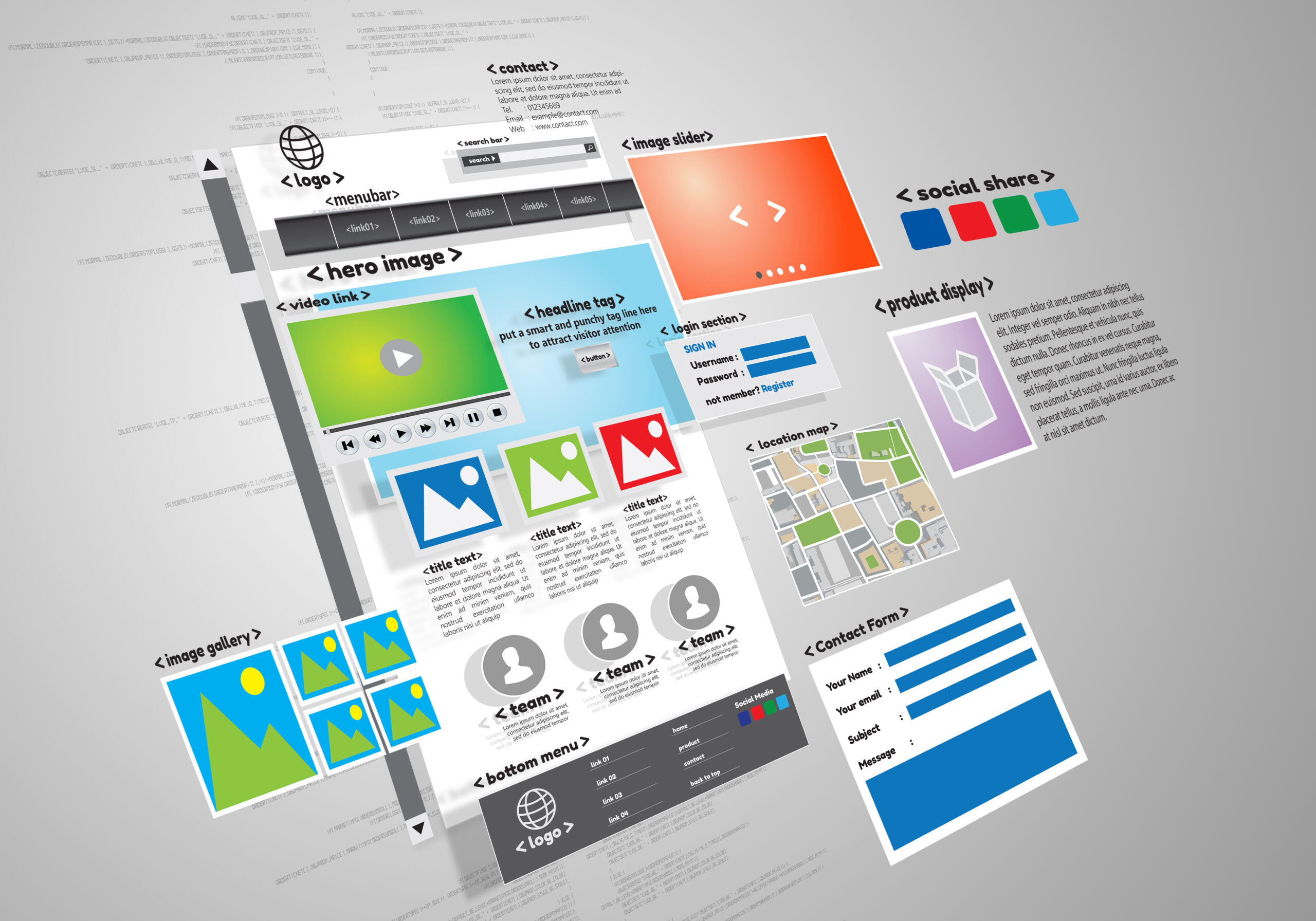

A website isn't a cost. It's a position.
When a website gets treated as an expense, it lands in the same mental drawer as the power bill or the insurance renewal — a number to keep as small as possible. That framing quietly guarantees a disappointing result, because you end up shopping for the cheapest version of the thing instead of the most effective one.
But a professional site doesn't behave like a bill. A bill leaves and never comes back. A well-built website is closer to hiring a salesperson who works every hour of every day, never takes a holiday, and greets every prospect with your best foot forward.
The honest way to weigh it isn't “how much does this cost?” It's “what does this need to bring in to be worth it?” And that answer is almost always surprisingly small.
Let's do the math — say you run a crane and transport company
Heavy lifting and haulage is a high-ticket trade. A single contract — a day of crane work, a specialized move, a multi-stage lift — can run from a couple of thousand dollars into the tens of thousands. So let's be deliberately conservative and say a typical job nets you $2,500 in profit after your costs are covered.
Now bring in the question.
Twelve additional contracts a year at $2,500 profit each adds $30,000 to your bottom line from a single extra job a month.
Even at the cautious end, a single additional contract can make a serious dent in the cost of a proper site on its own.
That's the part worth sitting with. We're not talking about doubling your business or chasing some viral surge of leads. We're talking about one — the kind of difference a clearer, more credible, easier-to-find website is built to make.
The same arithmetic works in almost any trade
The numbers shift, but the logic doesn't. A custom home builder closes a handful of large projects a year, so a single additional one is transformative. A B2B supplier or specialty fabricator may carry contracts worth more than a vehicle.
Even at the smaller end — a clinic, a law practice, a service company — the lifetime value of one loyal client, returning and referring over years, dwarfs the cost of the site that first earned their confidence.
Whatever your trade, the exercise is the same: take your honest profit on a single new customer, multiply it by one-a-month and one-a-year, and set those two figures beside the cost of doing the job properly online. The comparison usually answers itself.
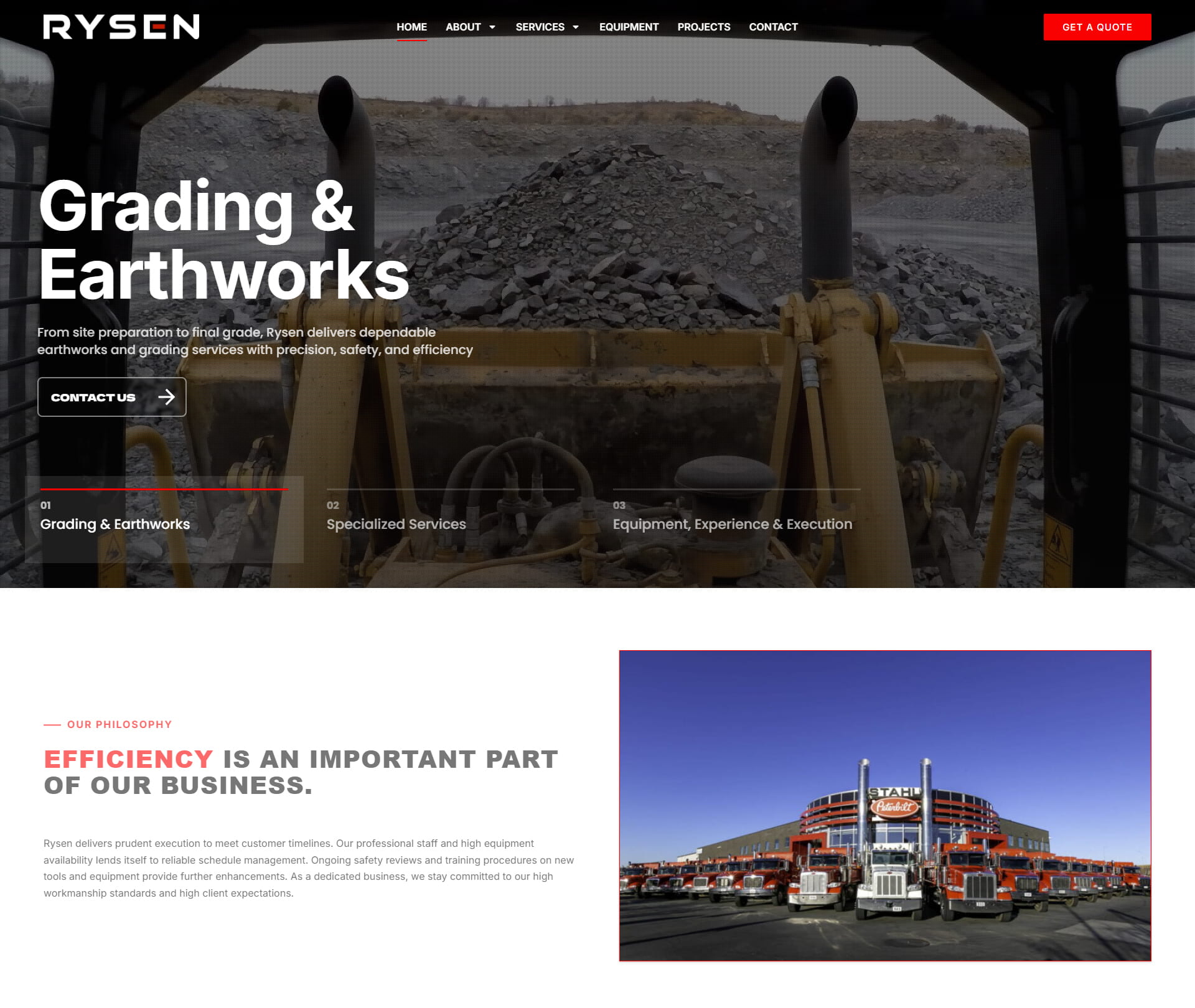
What a good website actually does
I'll be straight with you, because the math above only holds if I am: a website doesn't conjure customers out of thin air. It won't make people who've never heard of you suddenly need a crane.
What it does is win the customers who are already looking.
When someone needs what you do, they search. They click three or four results. And in a handful of seconds, they decide who looks capable, current, and trustworthy — and who looks like they stopped paying attention years ago.
A dated, slow, or hard-to-navigate site doesn't just fail to impress; it quietly hands that ready-to-buy customer to the competitor whose site loaded faster and looked the part.

A professional website removes the reasons a qualified prospect says no.
That's where your “one more customer” comes from — not from manufacturing demand, but from stopping the steady leak of business you were already in line to win.
Those are the easiest customers in the world to win and the most painful to lose, because they were already sold on the service. They just needed to be sold on you.
- It helps your business look current, capable, and trustworthy.
- It gives ready-to-buy customers a clearer reason to choose you.
- It turns attention into calls, quote requests, bookings, and conversations.



But first, they have to find you
There's a step hiding inside that word search, and it's worth dragging into the light. Before anyone can judge your site, they have to land on it — and that's a different job entirely.
Think of your website as a destination and search optimization as the road that leads to it. The finest shop in the region earns nothing if it sits on a road no one drives down.
When a customer types “mobile crane” and your city into Google, there's a short list of names they'll actually see and click — and the businesses on that list collect nearly all the work.
A beautiful website nobody finds and a findable website nobody respects fail in exactly the same way.
No honest studio will promise you the top spot on demand; search doesn't work that way, and anyone who guarantees it is selling something.
What good SEO does is steadily improve your odds of being seen at the moment someone is ready to buy — and the closer you sit to the top of that short list, the larger your share of those “already looking” customers becomes.
You want both halves working together: a website worth finding and a search presence strong enough to bring people to it.
Where social presence fits
Social media is simply another road to the same destination — and a second place your credibility gets quietly checked.
Plenty of prospects who hear your name will glance at your profiles before they ever reach your site, and an account that's current and active reads as a business that's present and paying attention. A dormant one raises the opposite question.
A post won't close the deal on its own. What a steady presence does is keep you visible in the long stretches between the moments people actually need you, so that when the need finally arrives, you're already the name that comes to mind.

Search, social, and a site that earns trust are not separate gambles.
Each is just another reliable way of producing that one more customer, and together they compound.
Search helps them find you. Social helps them remember you. Your website helps them choose you.
- SEO improves your chance of being found when someone is ready to buy.
- Social media keeps your business visible and credible between buying moments.
- Your website turns that attention into a booked job, quote request, or conversation.
So, what's one more customer worth?
That's the only number that matters, and it's a number only you can fill in. Take your honest profit on a single job, run it across a month and a year, and weigh it against the investment.
If one additional customer covers the cost — and for most of the businesses we work with, it covers it many times over — then the question was never really “can I afford a proper website?”
It was “what is it costing me not to have one?”

Alchemy Imageworks
Ready for a website you own — and a team that owns the outcome?
At Alchemy Imageworks, we've spent fifteen-plus years building websites and brands that help the right customers find you — and earn the ones already looking. If you're curious what one more customer could be worth to your business, we're happy to run the numbers with you. No pressure, just the math.
Start Your Project