The $0 Website That Costs You Everything
Why AI-generated sites fall short for real businesses — and what you’re actually paying a professional to get right.
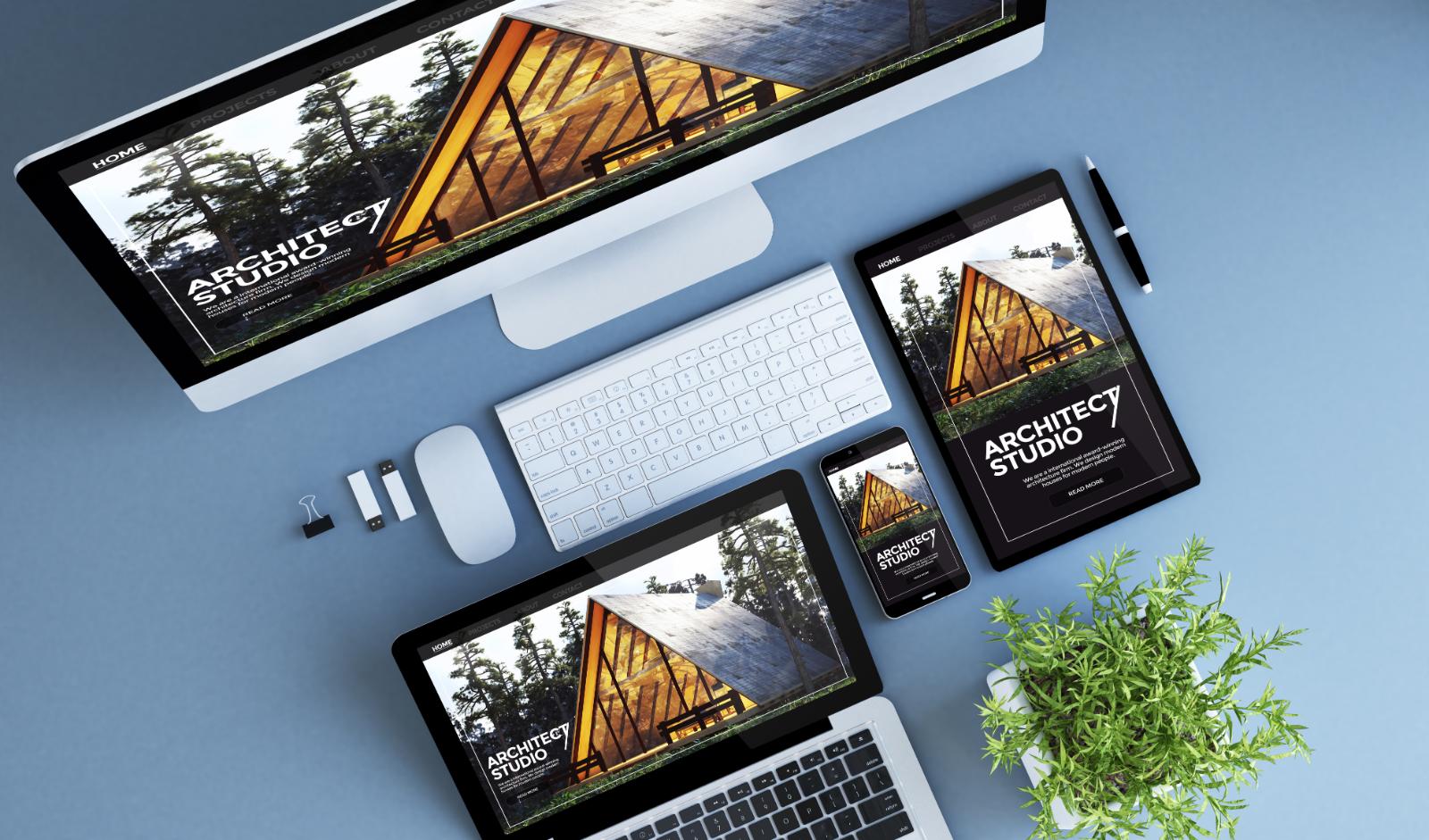
There’s a certain magic to it. You type a sentence into an AI website builder — “make me a modern site for my landscaping business” — and thirty seconds later, something appears. It has a hero image. A services section. A little animation when you scroll. It looks, at a glance, like a real website. For the price of a monthly subscription and an afternoon of your time, you have a website. Done. Off the to-do list.
If you run a small or medium-sized business, that pitch is aimed directly at you — and we understand why it lands. You’re wearing six hats before lunch. The website has been nagging at you for a year. Anything that makes it disappear from your plate for the cost of a couple of coffees a month sounds like a win.
So let’s be fair before we’re critical: we’re not here to tell you AI is useless. The professionals at Alchemy Imageworks use AI tools every single day. The technology isn’t the problem. The problem is what happens when a business stakes its reputation, its search visibility, and its revenue on a site that was generated rather than built — and nobody in the room knew enough to see the difference until it started costing money.
Here’s the honest version of that story.
“It looks great” is not the same as “it works”
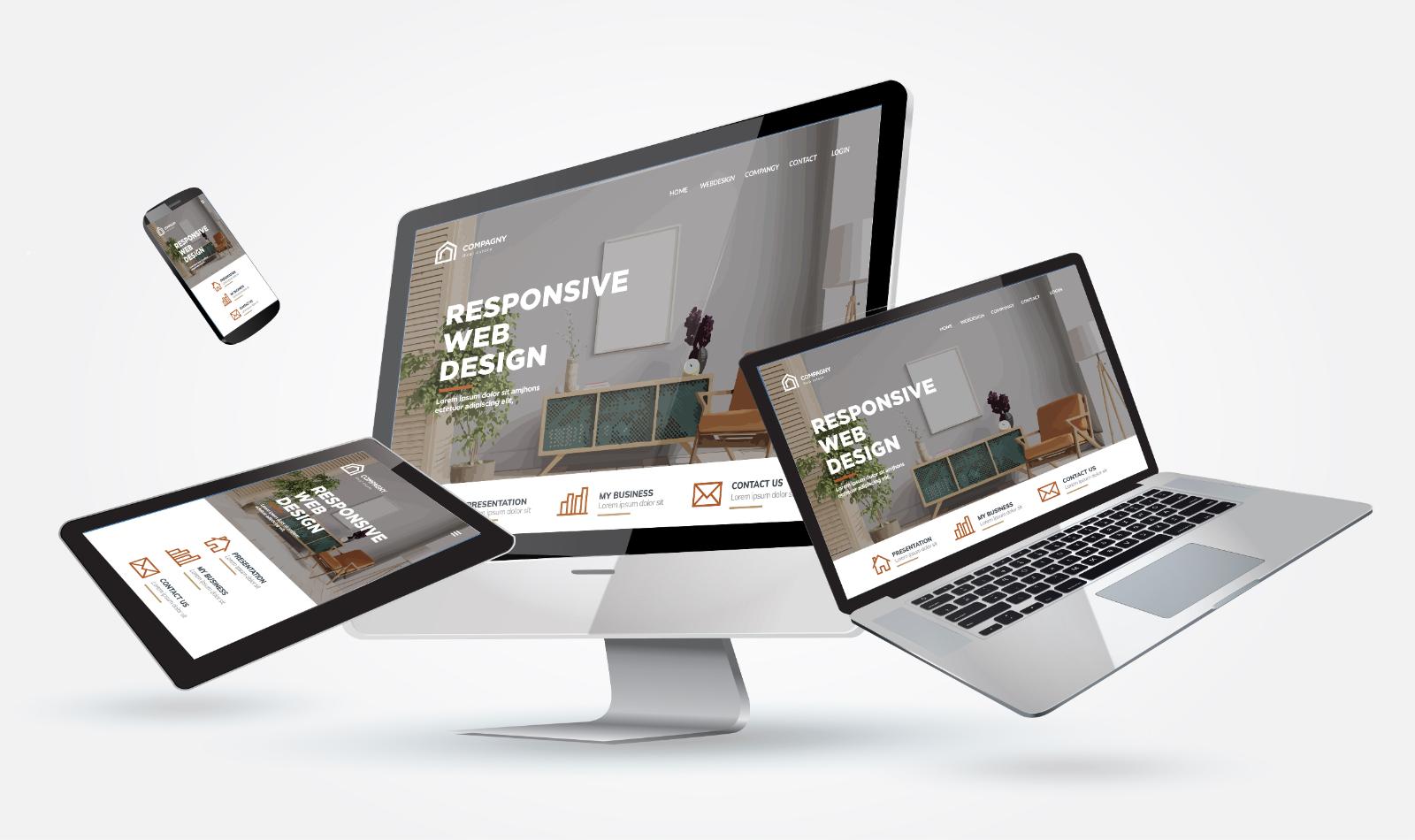
An AI-generated or “vibe-coded” website is optimized for one thing above all else: looking impressive in the first ten seconds. That’s the demo. That’s what converts a curious visitor into a paying subscriber. What it is emphatically not optimized for is everything that determines whether your website actually earns its keep over the next three to five years.
Think of it like a movie set. From the camera’s angle, it’s a bustling street full of shops. Walk around the back and it’s plywood, duct tape, and scaffolding. AI builders are extraordinarily good at the front of the set — the part that photographs well. The trouble is that your customers, Google’s crawlers, and the assistive technology used by shoppers with disabilities all end up walking around the back. And what they find there is what actually decides whether your phone rings.
For a hobby, a personal page, or a quick “coming soon” placeholder, the front of the set might be all you need. But your business website isn’t a hobby. It’s your storefront, your first impression, and — when it’s built well — one of the hardest-working, cheapest salespeople you’ll ever employ. It deserves a real building, not a facade.

The front of the site photographs well. Your customers, Google, and the law all walk around the back.
Where the risk appears
Where the cracks actually show
The weaknesses rarely appear in the first ten seconds. They appear later in performance, search visibility, accessibility, maintenance, security, and ownership.
Speed — and the customers who leave before you ever meet them
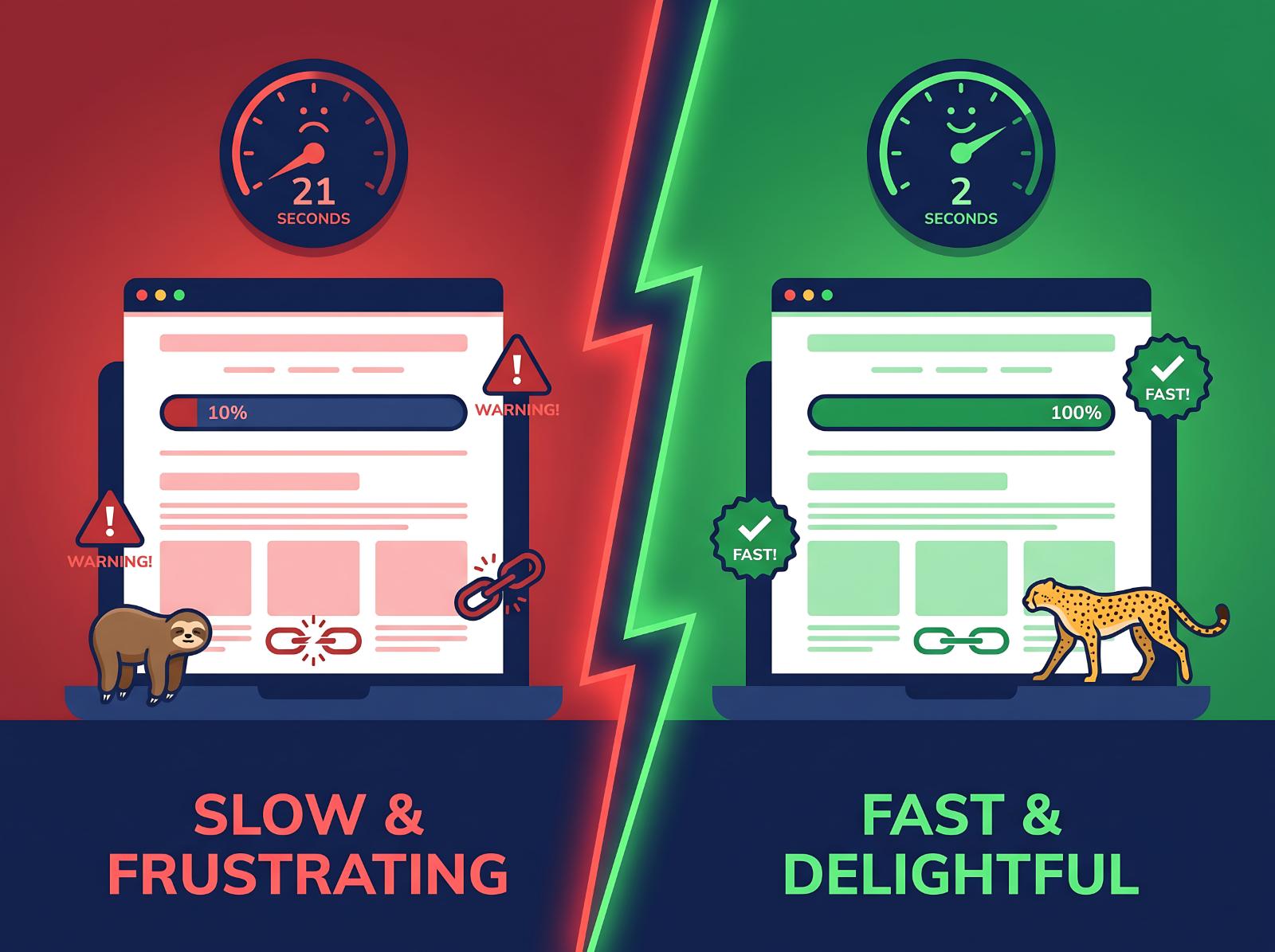
AI builders love to pile on oversized images, redundant code, and third-party scripts, because visual richness makes the demo look expensive. But real visitors on real phones on real cell connections feel every one of those extra seconds. The longer a page takes to load, the more people abandon it before it even appears — and a visitor who bounces after three seconds of staring at a spinner is gone, usually to a competitor, usually for good. Worse, Google measures real-world loading speed through Core Web Vitals, and those measurements feed directly into where you rank. A site half a second slower than the shop across town can quietly cost you the top spot and never tell you it happened. A professional builds lean, decides deliberately what loads first, and treats every extra kilobyte as money leaving your pocket.

Getting found in the first place
A beautiful website that nobody can find is a very expensive business card. Real search optimization lives in exactly the parts an AI generator treats as an afterthought: clean underlying structure, a sensible heading hierarchy, descriptive titles and meta descriptions, alt text on images, schema markup that helps Google display your hours and reviews, an intelligible menu and URL structure, and — most importantly — content organized around the actual words your customers type. Generated sites produce generic, cookie-cutter markup that reads to a search engine like a thousand interchangeable sites, because underneath the pretty theme, it frequently is the same template as a thousand others. For a local business trying to win “best [your service] near me,” that sameness is the difference between page one and page five.

Accessibility — and the legal exposure most owners never see coming
Roughly one in four adults lives with some form of disability. Beyond the plain fact that these are paying customers you don’t want to turn away, web accessibility has become a genuine legal risk. AI-generated sites fail here constantly — low color contrast, images with no text alternative, forms that can’t be completed with a keyboard or screen reader, and videos with no captions. A professional bakes accessibility in from the first wireframe, quietly protecting both the customers you’d otherwise lose and the business you’d otherwise expose.

Maintainability — the slow, expensive killer
Vibe-coded sites often produce a tangle of code that works right up until the moment you need to change something. And you will — add online booking, connect your email list, integrate your point-of-sale, fix a checkout bug, or launch a seasonal promotion. When that day comes, you or the developer you hire are staring at a mess no human ever intentionally designed. Fixing a badly built site is frequently more expensive than building a good one from scratch would have been.

Security — because your website handles more than you think
Your site collects contact form submissions, maybe payments, maybe customer logins and personal data. Generated code routinely ships with outdated components, missing input validation, and no plan for the ongoing updates that keep it safe. That’s an open door — for relentless spam at best, and a data breach that lands you on the hook at worst. Security is invisible in a demo, which is precisely why tools built to win demos skip it.

Ownership — the site you thought you bought but were actually renting
Many AI builders keep your website locked inside their platform. Stop paying the monthly fee — or the company changes its pricing, gets acquired, or shuts down — and your site can simply evaporate. You were never building an asset; you were renting a room, and the landlord holds the keys. A professionally developed site is something you own outright: portable, exportable, and built to outlive any single vendor’s business decisions.
The sea of sameness
There’s a subtler cost, and for a growing business it may be the most important one of all. Because these tools all draw from the same underlying patterns and template libraries, the sites they produce increasingly look and feel alike — the same layouts, the same rounded cards, the same stock-photo energy, the same faintly generic voice.
Your brand is the one thing a competitor genuinely cannot copy, and handing it to a generator is the surest way to blend into the exact crowd you’re spending marketing dollars to stand out from. When every business in your category looks interchangeable online, price becomes the only thing customers can compare on — and racing to the bottom on price is a game no small business wins. Distinctiveness isn’t decoration. It’s strategy.
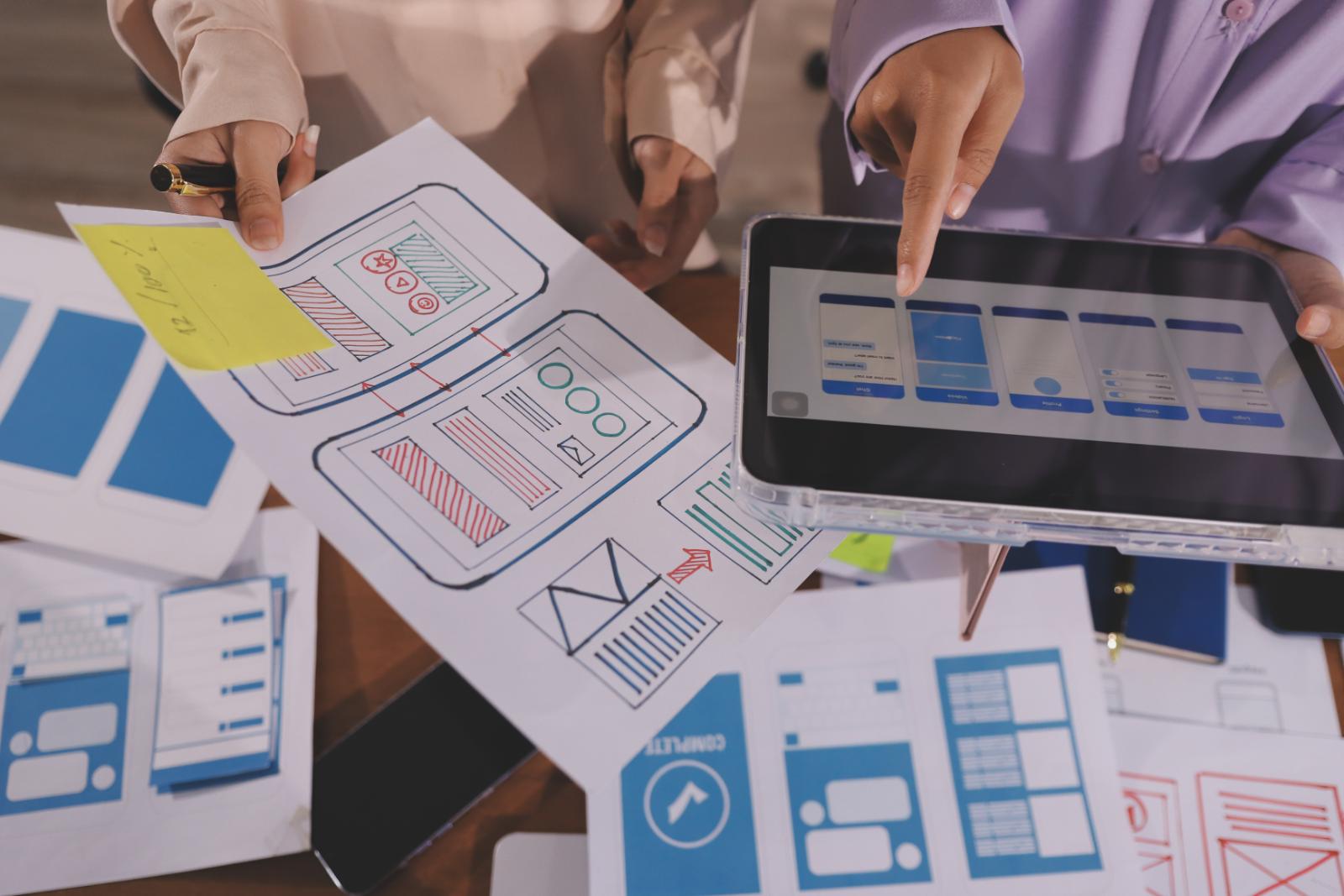
What you’re actually paying a professional for
Here’s the mental shift that changes everything. It’s tempting to think of a web developer as “the person who makes the site” — the very job the AI just did for free in half a minute. But that hasn’t been the job for a while. The code is the easy part; anyone, including the AI, can produce code.
What you’re actually paying a professional for is judgment: knowing which of the fifty plausible layouts genuinely serves your customer, which corners are safe to cut and which will quietly bleed you, how to structure the site so it ranks, converts, stays secure, and still makes sense to update two years from now.
A good developer asks the questions an AI never will. Who is this really for? What’s the one thing you want them to do when they land — call, book, buy, visit? How does the site connect to the tools you already run your business on? What happens when you add a location or a new service line?
And yes, a professional uses AI too. In expert hands, AI is an accelerator steered by someone who knows what “good” looks like and can spot the exact moment the machine confidently produces something broken, insecure, or off-brand.
How to tell the difference before you buy
If you take nothing else from this, take a few questions to ask anyone — human or platform — before you trust them with your website.
- Ownership: Who owns the finished site, and can you take it with you if you leave?
- Speed: How fast does it load on a phone, and how is that measured?
- Search: What happens to your ranking, and what specifically is being done for it?
- Accessibility: Does it meet accessibility standards, and how is that verified?
- Support: Who do you call when something breaks before a major sale?
- Change cost: What does it cost to make a change six months from now?
A generator can’t answer most of those. A professional will not only answer them — they’ll have asked you half of them first.
The bottom line
A generated website can look like a bargain right up until the invisible costs arrive: the customers who never find you, the ones who bounce before it loads, the ones you accidentally shut out at the door, the breach you didn’t see coming, and the rebuild you end up paying for anyway.
“Free” and “thirty seconds” are seductive numbers. “Ranks, converts, stays secure, and is genuinely yours” is the number that actually shows up in your revenue.
If your website is a hobby, generate away — honestly, have fun with it. But if your website is your storefront, your reputation, and one of your best salespeople, it deserves someone who knows the difference between something that merely looks built and something that truly is.
Build something that actually works.
That’s the difference we build for. If you’re ready for a website that works as hard as you do, let’s talk.